+8613706519013
 BHC Polymer Additives Co., Ltd / Shanghai Crystal Wells Chemical New Materials Co., Ltd.


TBzTD-70 is a widely used predispersed thiuram accelerator designed to improve cure efficiency, dispersion quality, and processing consistency in a variety of rubber compounds. Owing to its balanced reactivity and ease of handling, TBzTD-70 has become a practical solution for manufacturers working with Natural Rubber (NR), Styrene-Butadiene Rubber (SBR), and EPDM in both industrial and automotive applications.
This article examines how TBzTD-70 performs across these elastomer systems, with a focus on formulation behavior, cure characteristics, and practical compounding considerations.
Role of TBzTD-70 in Modern Rubber Compounding
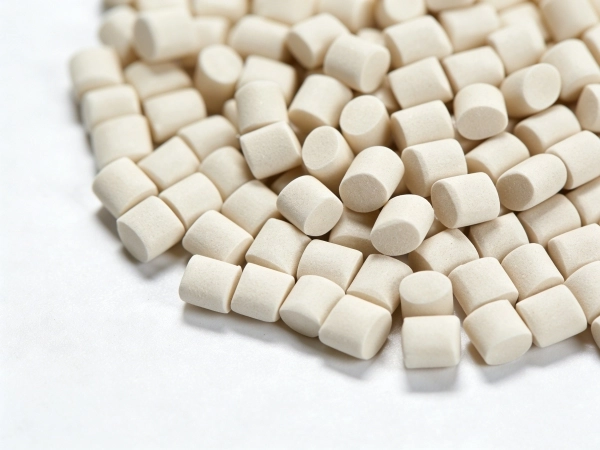
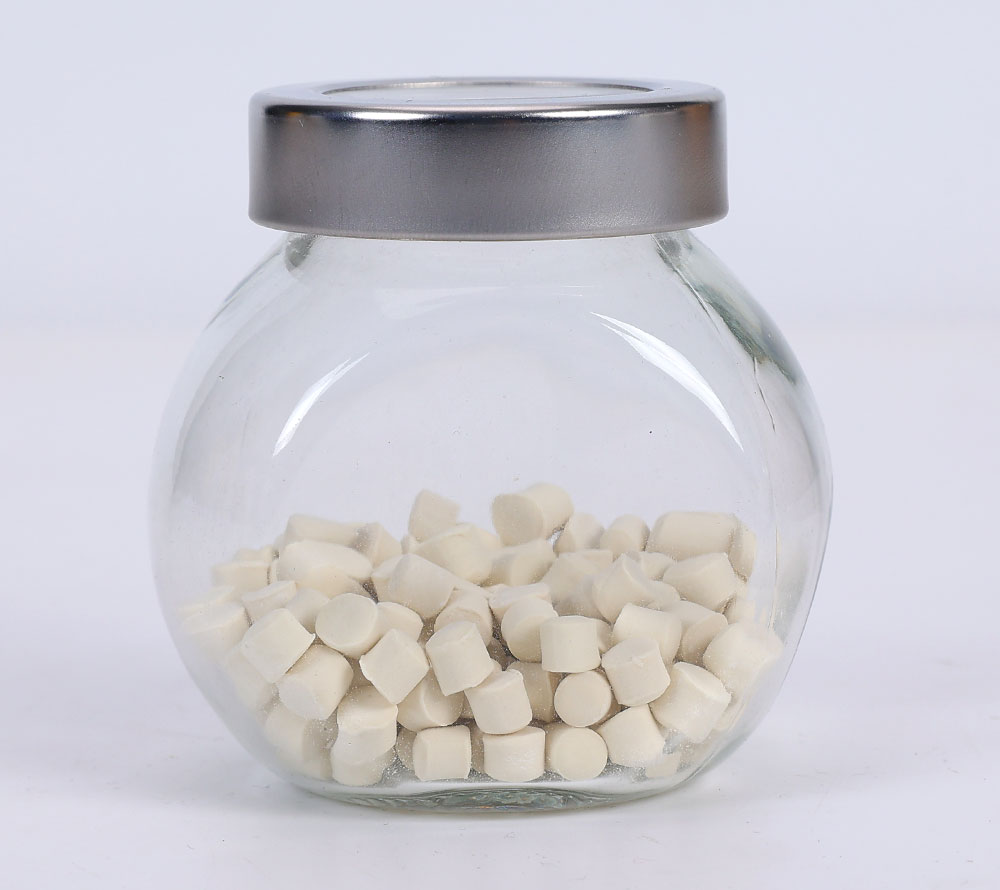
TBzTD-70 is a 70% active thiuram-based accelerator supplied in a polymer-compatible carrier, allowing for improved dispersion compared with powdered accelerators. As a thiuram type, TBzTD-70 functions primarily as a secondary accelerator or sulfur donor, contributing to faster vulcanization and more uniform crosslink formation.
In modern rubber compounding, TBzTD-70 is valued for its ability to:
Enhance cure speed without excessively increasing scorch risk
Improve batch-to-batch consistency through uniform distribution
Reduce dusting and handling hazards in production environments
Because of these properties, TBzTD-70 is commonly incorporated into NR, SBR, and EPDM compounds where controlled cure behavior and reliable mechanical performance are critical.
Application Characteristics of TBzTD-70 in NR Compounds
In Natural Rubber (NR) formulations, TBzTD-70 plays an important role in optimizing the balance between processing safety and vulcanization efficiency. NR is highly reactive to sulfur-based curing systems, and TBzTD-70 helps regulate this reactivity by promoting stable and predictable cure kinetics.
When used in NR compounds, TBzTD-70:
Accelerates sulfur crosslinking while maintaining acceptable scorch time
Contributes to uniform network formation, improving tensile strength and resilience
Supports smooth processing during mixing and molding operations
These characteristics make TBzTD-70 particularly suitable for NR-based products such as vibration isolators, industrial rubber goods, and molded components requiring consistent physical properties.
Performance Behavior of TBzTD-70 in SBR Formulations
SBR compounds typically require more carefully designed accelerator systems due to their lower inherent reactivity compared to NR. In this context, TBzTD-70 functions effectively as a secondary accelerator, complementing primary accelerators such as thiazoles or sulfenamides.
In SBR-based formulations, TBzTD-70 offers several advantages:
Improved cure efficiency and reduced under-cure risk
Enhanced crosslink density, contributing to better abrasion resistance
More consistent vulcanization across thick or complex parts
The use of TBzTD-70 in SBR compounds is especially beneficial in applications where mechanical durability and processing stability are key performance requirements, such as automotive rubber components and general industrial products.
Use of TBzTD-70 in EPDM Cure Systems
EPDM rubber presents unique challenges due to its saturated backbone and limited sulfur reactivity. TBzTD-70 is commonly applied in sulfur or semi-EV curing systems for EPDM, where it supports effective crosslink formation without compromising heat resistance.
In EPDM compounds, TBzTD-70:
Acts as a sulfur donor, assisting crosslink development
Improves cure uniformity in thick or low-reactivity formulations
Helps maintain a balance between flexibility and thermal stability
These benefits make TBzTD-70 a practical choice for EPDM applications such as seals, hoses, and weather-resistant rubber products that demand long-term performance.
Effects on Processing, Cure Efficiency, and Final Properties
Across NR, SBR, and EPDM compounds, TBzTD-70 has a noticeable impact on both processing behavior and final product performance. Its predispersed form promotes rapid and even incorporation into the rubber matrix, reducing mixing time and dispersion-related defects.
Key effects include:
Improved processing safety and reduced risk of premature vulcanization
Faster and more controlled cure profiles
Enhanced mechanical properties, including tensile strength, elasticity, and aging resistance
By contributing to a more uniform crosslink structure, TBzTD-70 also supports better heat aging and long-term durability, which are essential in demanding industrial environments.
Practical Dosage and Formulation Considerations
Typical TBzTD-70 dosage levels vary depending on rubber type, curing system, and performance requirements. In most formulations, it is used at low phr levels as part of a balanced accelerator package rather than as a sole accelerator.
When formulating with TBzTD-70, compounders should consider:
The interaction with primary accelerators and sulfur levels
Desired scorch safety and cure speed
Target mechanical and aging properties of the final product
Careful adjustment of TBzTD-70 dosage allows formulators to fine-tune cure behavior while maintaining consistent processing and product quality across different elastomer systems.
TBzTD-70 is a versatile and reliable accelerator for NR, SBR, and EPDM compounds, offering improved dispersion, controlled vulcanization, and consistent performance. Its ability to function effectively across multiple rubber types makes it a valuable component in modern rubber compounding, particularly for manufacturers seeking stable processing conditions and dependable end-use properties.